|
How did we get here and what’s in the new law:Since the Rule of 90 ended, POs have been struggling with the longer-term impacts of their work, which, for many who work until age 66, would be 40+ years. Approximately 10 years ago, POs testified before this Commission in an effort to make reasonable and logical retirement changes that would benefit POs across Minnesota, yet it remained unaddressed until this year. Over the past three years, much effort has gone into reforming PO retirement standards and putting in place a pension that works for all stakeholders. Much work was done leading up to the 2025 session by policymakers and stakeholders, yet a consensus still had not been realized. But then came the Work Group! The LCPR established a diverse stakeholder work group that met 9 times with LCPR staff and other pension experts to craft a consensus proposal. The work group process was extensive and challenging, involving education on pensions, finances, and legalities; sharing perspectives from all sides and stakeholders; facing hard realities; considering many options; and other issues to get to the final product introduced in 2026, which has now become law as of this May. All along, we’ve sought to create a probation and 911 telecommunicator pension plan that is reasonably situated within the pension continuum, between the general plan and the high end of the public safety plans. And we did…
PERA Local Government Probation and Telecommunicator Retirement Plan:
Note: Disability pension benefits, surviving spouse and child benefits, and refunds will be treated the same as the PERA General Plan. The new pension plan was enacted as part of the 2026 omnibus pension bill (HF 4074), signed by Governor Walz on May 19, 2026. It creates a new retirement tier for local government probation officers and 911/public safety telecommunicators administered by PERA. The proposal originated from the Probation Officers and 911 Telecommunicators Pension Work Group created by the 2025 pension bill. Who is covered?The new plan covers local government employees who meet the statutory definitions of:
Participation is mandatory for eligible employees. Employees who first became public employees before July 1, 1989, are generally excluded from the new plan and remain under existing arrangements. Plan DesignThe Legislature created a new PERA-administered retirement plan that sits between the traditional PERA General Plan and the Police & Fire Plan in terms of benefits and retirement age. Key provisions include:
Contribution Rates
The plan uses a 1.9% multiplier. A member retiring at age 60 with 30 years of service would receive:
The work group concluded that probation officers and 911 telecommunicators face:
However, lawmakers stopped short of moving them into the more expensive Police & Fire Plan. Instead, they created a new intermediate plan with an earlier retirement age and enhanced benefit formula. Effective DateThe new plan is scheduled to begin January 1, 2027. Existing eligible employees will be transferred into the new plan, and newly hired eligible employees will enter the plan upon employment. Yes, there are items that would make this pension plan even better in the future, like an improved employer contribution rate and a stronger multiplier rate, but the enacted legislation finally addresses the long-standing need for a reasonable retirement plan for MN Probation Officers and 911 telecommunicators. The law is an excellent improvement right from the start for younger PO’s. Additionally, younger POs will likely benefit further as the plan becomes more funded, causing contribution rates to drop, and by receiving longer, possibly better employer contribution rates or other plan improvements. At the other end of the spectrum, this bill will provide tangible improvements for more senior POs who’ve put years into this work, but the positive impact will be more limited, having less time to build those benefits over more years.
Page Last Updated: Jul 06, 2026 (12:29:27)
|
 Teamsters Local 320
|
|
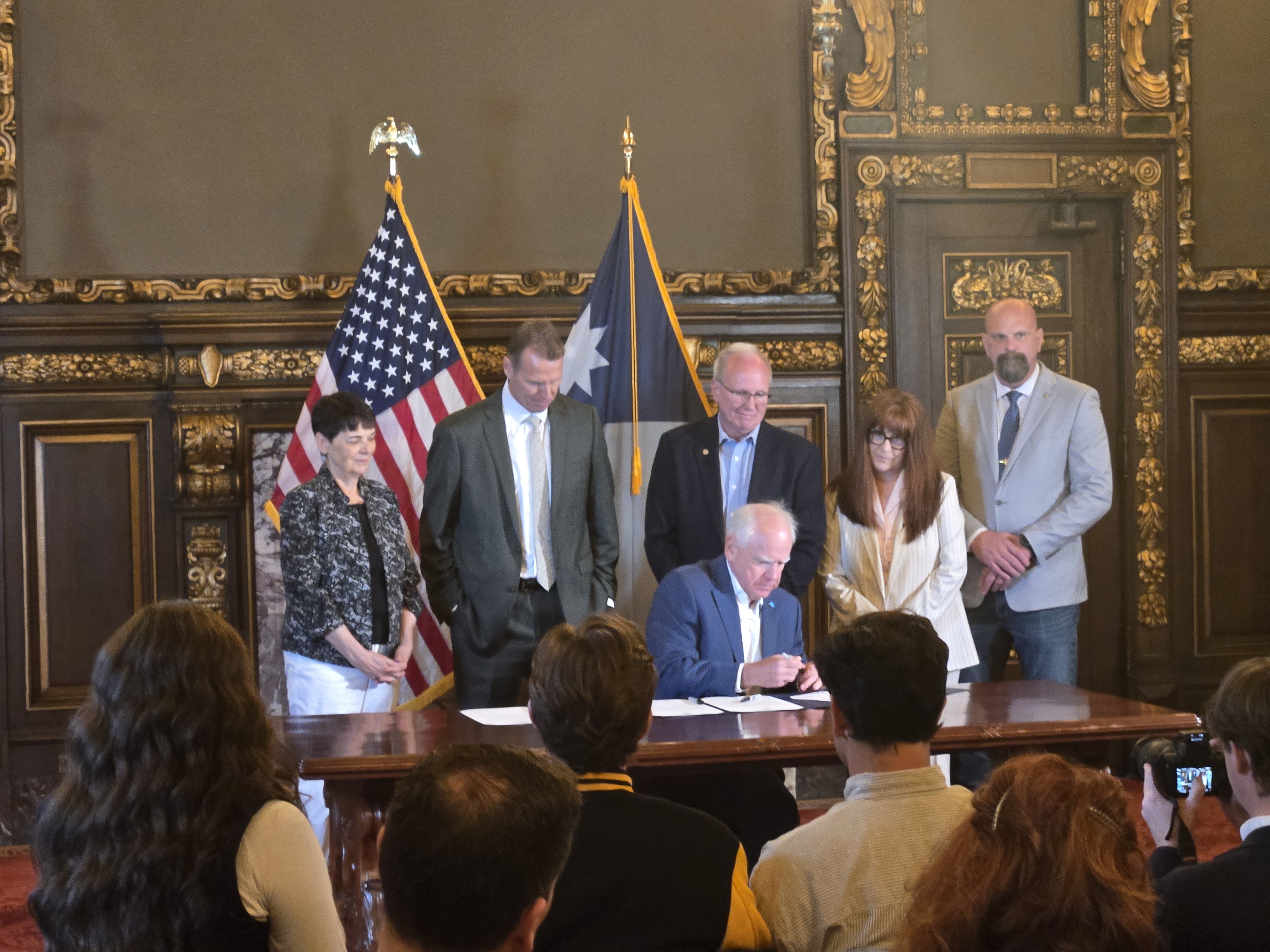 This year, the Legislature passed and Governor Walz signed into law a new Probation officer and 911 telecommunicator pension benefit, a self-funded plan that will lock in, among other things, a 60-year-old retirement threshold for probation officers and 911 telecommunicators.
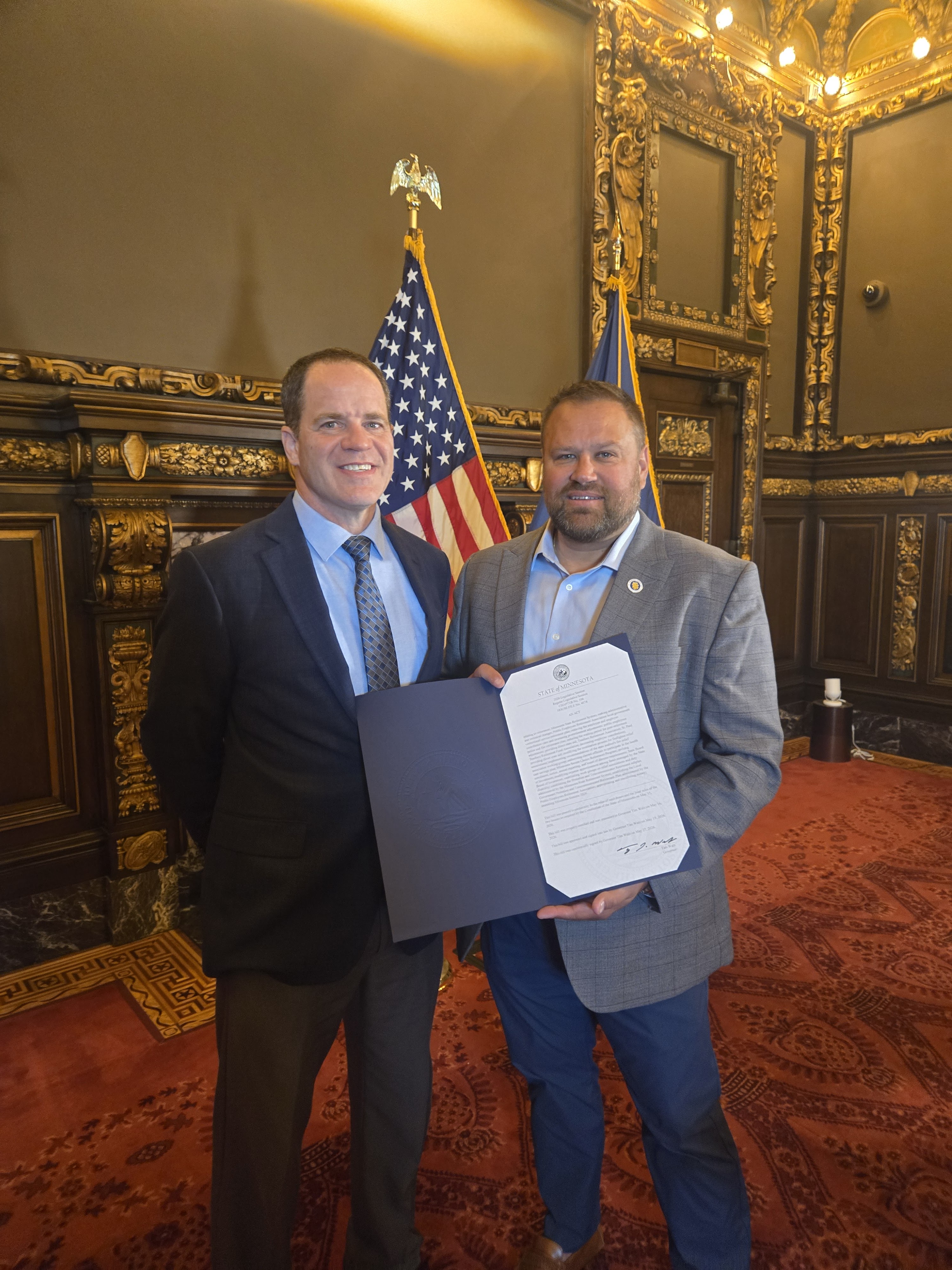 Most importantly, creating this plan recognizes probation and 911’s vital public safety role and this work’s impact on those performing it.
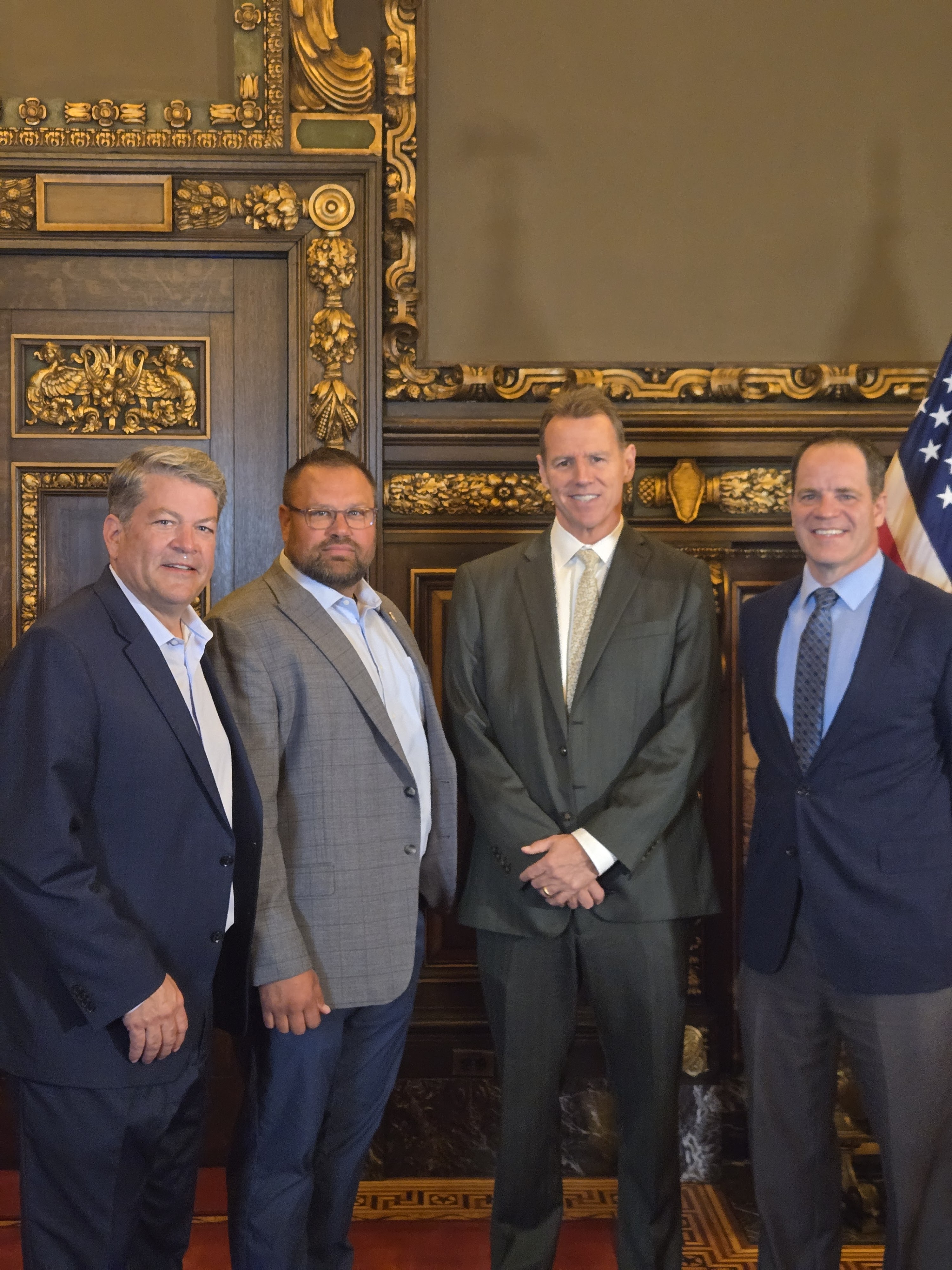 The Work Group recommended that the enhanced benefits be funded primarily through increased employee contributions.